Dancer Flower Embroidery Design
First Impressions of Dancer Flower
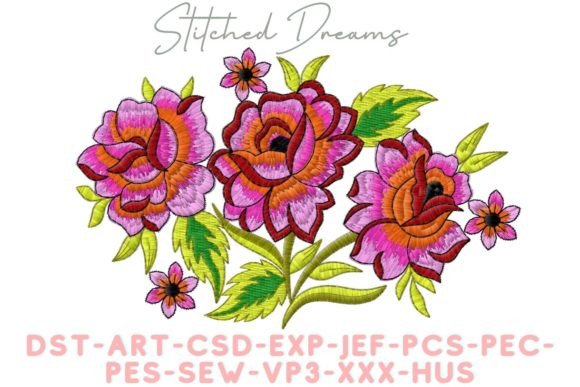
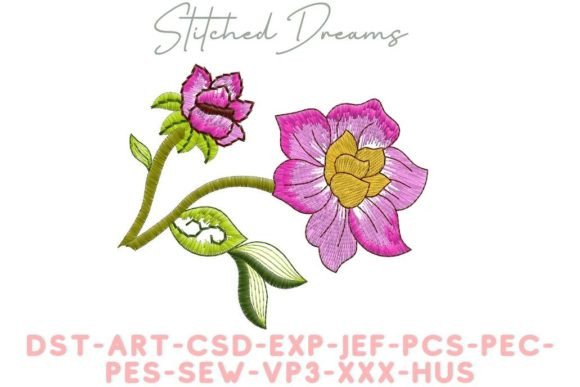
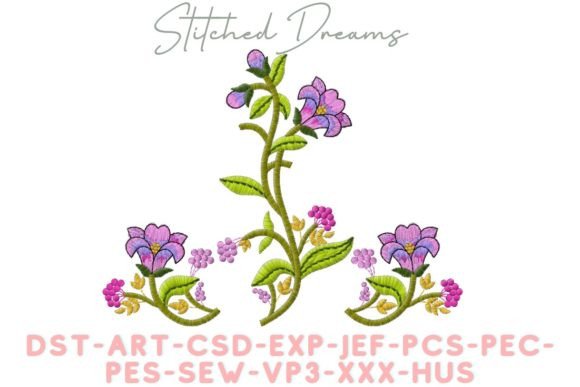
The Dancer Flower embroidery design exudes elegance and artistry. Its intricate flower, surrounded by gracefully entwined leaves and delicate twigs, creates a visual that feels both refined and organic. This machine embroidery design has a soft, decorative quality that would stand out in a craft fair booth or handmade shop. It’s not overly bold, but it’s certainly eye-catching—ideal for those looking to add a touch of sophistication to their clothing or home goods.
Where Dancer Flower Shines
When considering where Dancer Flower would thrive, the options are vast. As a tote bag design, it adds a premium feel to everyday carry. On an apron embroidery, it becomes a statement piece that customers might pause to admire. Tea towel embroidery featuring Dancer Flower could elevate a kitchen from ordinary to elegant. For embroidered patches, it offers a detailed, high-quality look that appeals to collectors and fashion-forward buyers.
The design also works well on fabric pouches, pillow covers, and market bags. It’s versatile enough to be used as a small accent or a large focal point, depending on the product. Dancer Flower is especially suited for handmade products that aim to feel unique and artisanal. Whether displayed on a cap, a small pouch, or a printable mockup, it brings a sense of craftsmanship that resonates with customers.
Practical Selling and Production Points
One of the key factors for any embroidery business is how easy a design is to produce and sell. Dancer Flower appears to be visually clear and recognizable at a glance, which is essential for a craft fair product. It can be adapted to different sizes, making it suitable for both small shop products and larger commercial embroidery projects.
Photographing Dancer Flower for online listings should be straightforward, provided the right thread colors and background are chosen. The design’s detail makes it ideal for Etsy sellers who want to showcase high-quality, handcrafted items. However, its complexity may require careful attention to stitch density and stabilizer use, especially when working with textured towels or dark fabrics.
For batch production, Dancer Flower should be repeatable, assuming the hoop size and file format are manageable. It’s important to test the design on scrap fabric before committing to large runs. This will help identify any issues with dense stitch areas or tiny details that might not translate well to certain fabrics.
Careful-Use Notes
While Dancer Flower is visually appealing, there are a few considerations to keep in mind. The design contains dense stitch areas that may require additional stabilizer to prevent puckering. Tiny details and delicate twigs could be lost if the design is scaled too small, so it’s best to use it at a size that allows for clarity.
Thread contrast is another factor. Choosing the right thread colors can make the design pop, especially on darker fabrics. When working with curved cap surfaces or thick fabrics, adjustments may be needed to ensure the design sits flat and maintains its shape. For embroidered patches, ensuring proper spacing and stitch density is crucial to avoid distortion.
Impact on Visual Appeal and Customer Engagement
Dancer Flower has the potential to significantly enhance the visual appeal of any product it’s applied to. Its intricate details and graceful composition create a sense of value that can attract customers looking for premium handmade products. In a craft fair setting, it can draw attention to a booth, especially when displayed on tote bags, aprons, or pillow covers.
As a brand consistency tool, Dancer Flower can help reinforce a shop’s aesthetic. It’s particularly effective for boutique makers and creative entrepreneurs aiming to build a cohesive collection. Its presence on a variety of products can increase buyer engagement, encouraging customers to explore more items from the same design set.
For small shop products, Dancer Flower adds a level of sophistication that can justify higher pricing. It’s a great example of how a single embroidery file can be used across multiple items, maximizing its value for both the seller and the customer.
Embroidery Designer Notes
Before finalizing any production run, it’s essential to test Dancer Flower on different fabric textures. This will help determine how well the design holds up on various materials, such as cotton, linen, or denim. Checking the thread colors against the fabric is also important to ensure the design looks its best in real life.
Reviewing the spacing and stitch density of the embroidery file is crucial. If the design is too tight, it may cause the fabric to pucker or the stitches to break. Confirming the correct hoop size will help streamline the production process and reduce errors. Using the right stabilizer is another key step, especially when working with lightweight or stretchy fabrics.
Creating at least one real mockup is highly recommended. This allows you to see how Dancer Flower looks in practice and identify any necessary adjustments. Comparing fabric colors can also help you choose the best options for your target audience. Finally, always confirm the commercial licensing terms before selling finished products, to ensure compliance and avoid any legal issues.
Final Thoughts on Dancer Flower
In summary, Dancer Flower is a versatile and elegant machine embroidery design that can enhance a wide range of craft fair products. Its intricate details and graceful composition make it ideal for handmade items that aim to feel both artistic and functional. Whether used on a tote bag design, an apron embroidery, or a printed mockup, it has the potential to attract attention and drive sales.
For embroidery business owners and Etsy sellers, Dancer Flower represents a valuable addition to their design assets. With proper testing and attention to detail, it can become a standout item in any booth or online store. By focusing on quality, visual appeal, and practicality, Dancer Flower can help elevate the overall value of a handmade product line.