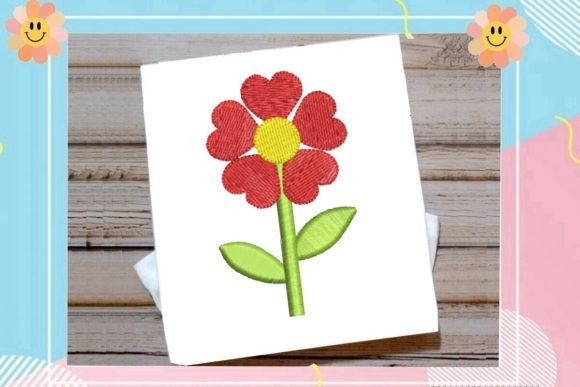
Red Flower Machine Embroidery Design
As a designer who’s worked with countless embroidery files, I always start by evaluating a design’s mood, usability, and versatility. Red Flower is a standout in the Single Flowers category—its simplicity and elegance make it a strong candidate for a wide range of projects. But like any machine embroidery design, it has its strengths and limitations that need to be considered before use.
The First Impression: A Delicate Statement
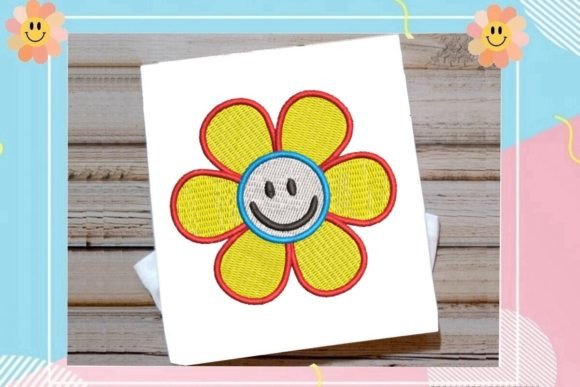
Red Flower immediately catches the eye with its clean lines and vibrant color palette. The mini flower shape feels modern yet timeless, making it suitable for both casual and refined applications. The layout is balanced, with enough detail to be visually engaging without being overwhelming. It’s the kind of design that can stand alone or complement other motifs, which is a big plus for anyone working on custom apparel or small shop merchandise.
The visual personality of Red Flower leans toward understated sophistication. It doesn’t scream for attention but quietly commands it. This makes it ideal for baby items, personalized gifts, or boutique products where subtlety and quality matter.
Real-World Use: Where Red Flower Shines
I’ve tested Red Flower on several fabrics and found it works best on medium-weight materials like cotton, canvas, and light denim. It’s particularly effective on tote bags, sweatshirts, and aprons—projects where a small, elegant design can elevate the overall look without overpowering the garment.
For a handmade product, Red Flower adds a touch of class. Whether it’s part of an embroidered patch or a standalone motif on a pillow cover, it brings a sense of care and craftsmanship. As an Etsy seller, I’d feel confident using it in listings for personalized gifts or holiday embroidery projects.
It also performs well as a digital embroidery file. When used in printable mockups or as part of a design asset library, Red Flower maintains clarity and appeal. Its size and shape make it easy to integrate into various layouts, whether for a craft business or a commercial embroidery project.
Where to Be Cautious: Practical Limitations
While Red Flower is versatile, there are some situations where it may not perform as expected. On small hoop sizes, the design can feel cramped, especially if the stitch density is high. This could lead to puckering or distortion, so it’s important to test it on scrap fabric first.
Textured or stretchy fabrics can also be a challenge. Red Flower’s satin stitch and fill stitch work well on smooth surfaces, but on materials like fleece or knits, the design might not lay flat or could lose definition over time. For these cases, a different applique design might be more appropriate.
On dark fabrics, the red color stands out nicely, but on very light backgrounds, the contrast may not be as striking. It’s worth testing the design in black and white mockups to see how it translates. Also, when used on layered garments or curved surfaces like caps, the placement needs to be precise to avoid distortion.
Impact on Visual Appeal and Customer Perception
Red Flower has a subtle but meaningful impact on the visual appeal of a finished product. It adds a sense of polish and professionalism, which is crucial for handmade items or commercial embroidery projects. Customers often notice the quality of the design, and a well-executed Red Flower can enhance the perceived value of a product.
From a branding perspective, it’s a safe choice. Its simplicity allows it to fit into various aesthetics without clashing. For a small shop product or a boutique brand, this consistency is key. It also makes for a great gift item, especially when paired with other motifs or used in holiday embroidery projects.
Designer Notes: How to Get the Best Results
Before committing to a project, I always recommend testing the embroidery file on scrap fabric. This helps identify any issues with stitch density or thread color contrast. Red Flower uses vibrant colors, but depending on the fabric, the hue might shift slightly.
Check the hoop size required for the design. If your machine has limited space, consider resizing or simplifying the design. Also, make sure to use the right stabilizer for the fabric you’re working with. Without proper support, the design might pucker or distort, especially on thin or stretchy materials.
If you're planning to sell finished items or digital products, confirm the licensing terms. Even though Red Flower seems straightforward, it’s better to double-check before using it commercially. And don’t forget to review the design in both light and dark backgrounds to ensure it looks good in all contexts.
Final Thoughts: A Reliable Choice for Thoughtful Projects
Red Flower is a solid machine embroidery design that offers both beauty and practicality. It’s not the most complex or detailed design, but that’s part of its charm. It works well in a variety of settings, from custom apparel to personalized gifts, and its simplicity makes it adaptable.
For embroidery designers, crafters, and small business owners, it’s a reliable addition to any collection of design assets. Just remember to test it thoroughly and consider the fabric, hoop size, and intended use before finalizing a project. With the right approach, Red Flower can become a valuable part of your embroidery workflow.